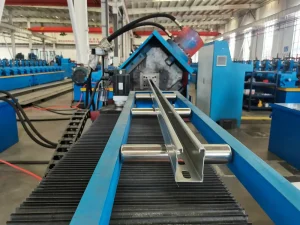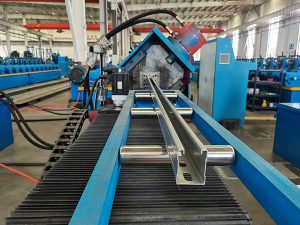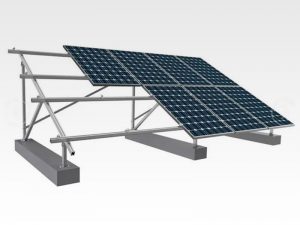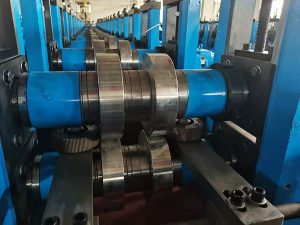
If you are planning a solar channel production line, or specifying the channels your racking project will use, a handful of parameters decide what you can produce, what it costs, and which customers you can serve. Here is what to check first.
1. Profile size range
The 41-series is the de-facto standard for solar strut channel worldwide: 41×21, 41×41, 41×52, 41×62, 41×72 and 41×82 mm. Before you order a line, check which two or three sizes your target market actually buys — and if you expect to run several sizes in short batches, choose a cassette or quick-change structure so one machine can cover them all. Our solar strut channel machines cover the full 41-series range.
2. Material and thickness
Galvanized steel coil is the workhorse of solar channel production; zinc-aluminum-magnesium (ZAM) coated coil is taking share where corrosion life matters. Standard racking channels are rolled from 1.5–3.0 mm coil, while heavy-duty C/U profiles can go to 5 mm. The coil gauge you plan to run decides the press or punch tonnage the line must be built with — the most expensive thing to get wrong after purchase.
3. Coating: hot-dip galvanized vs zinc-aluminum-magnesium
Coating choice is no longer just a purchasing decision — it is a product decision. ZAM-coated channels last longer in corrosive environments and weld better, which is why channel makers are switching. We compare the two coatings in detail in our article on ZAM vs hot-dip galvanized solar strut channel.
4. Capacity and layout
Match line speed to the monthly output you actually need: a 30 m/min line running two shifts comfortably exceeds 600,000 metres per month, and adding an auto stacker removes the biggest bottleneck in manual handling. If factory space is tight, compare an inline press punch with a post hydraulic punch layout before you fix the line length.
5. End application
Ground-mount plants, rooftop EPCs and C&I installers pull different profile mixes. And if you sell into seismic regions, plan for bracing channels from day one — our unistrut seismic bracing roll forming machine produces the 41-series bracing profiles on the same footprint.
Still deciding? Send us your target profiles, coil type and monthly output — we will size the line and send a full quotation.